
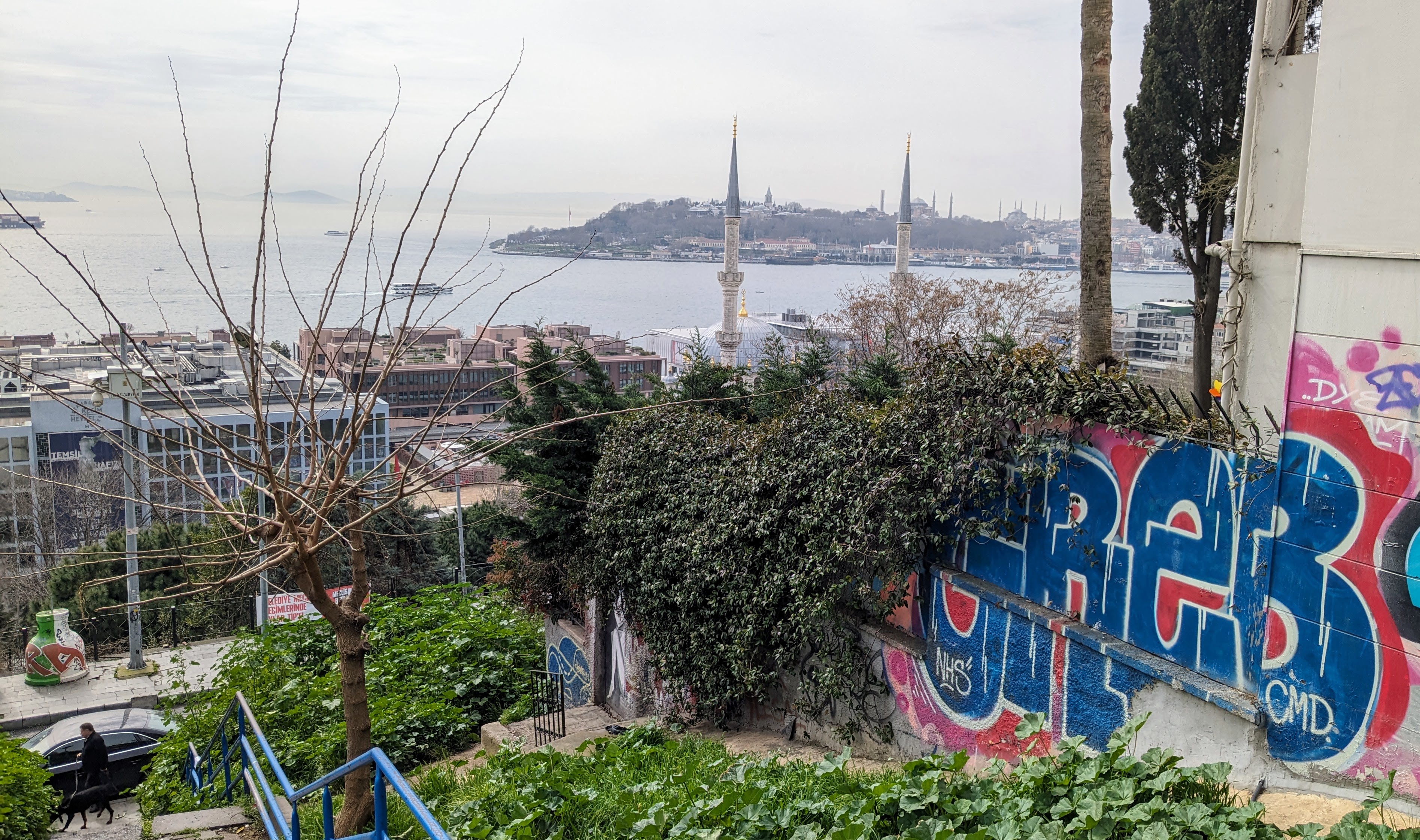
There are two truths about my life that help explain my experience in Istanbul. First, that reading history or literature about one’s destination can have a profound effect on ones’ travel experiences. This was the case for me in the Balkans, Dresden or Mexico. Two: that, very often, coming across impactful readings can be very fortuitous – depending on sheer chance or, simply, what is available.
So here’s what happened. I wanted to read Istanbul related, and my knowledge of Turkish literature boiled down to basically one author, that is, Orhan Pamuk. (In fact I believed his name was Omar, which just goes to show.) So I downloaded a couple of his books and, turns out that the only one which format was compatible with my reader was the Museum of Innocence.
Actually, not really – it was The Innocence of Objects, which is a collection of interviews and pretty random pieces about the very special process of writing the former book and setting up the eponymous museum. So I read first the reflection on how Kemal and Füsun came to be, rather than their story. More so, I had no idea that the Museum of Innocence existed, that it was a project that went parallel with a novel, and, best of all, that it was a two minute walk from our accommodation.
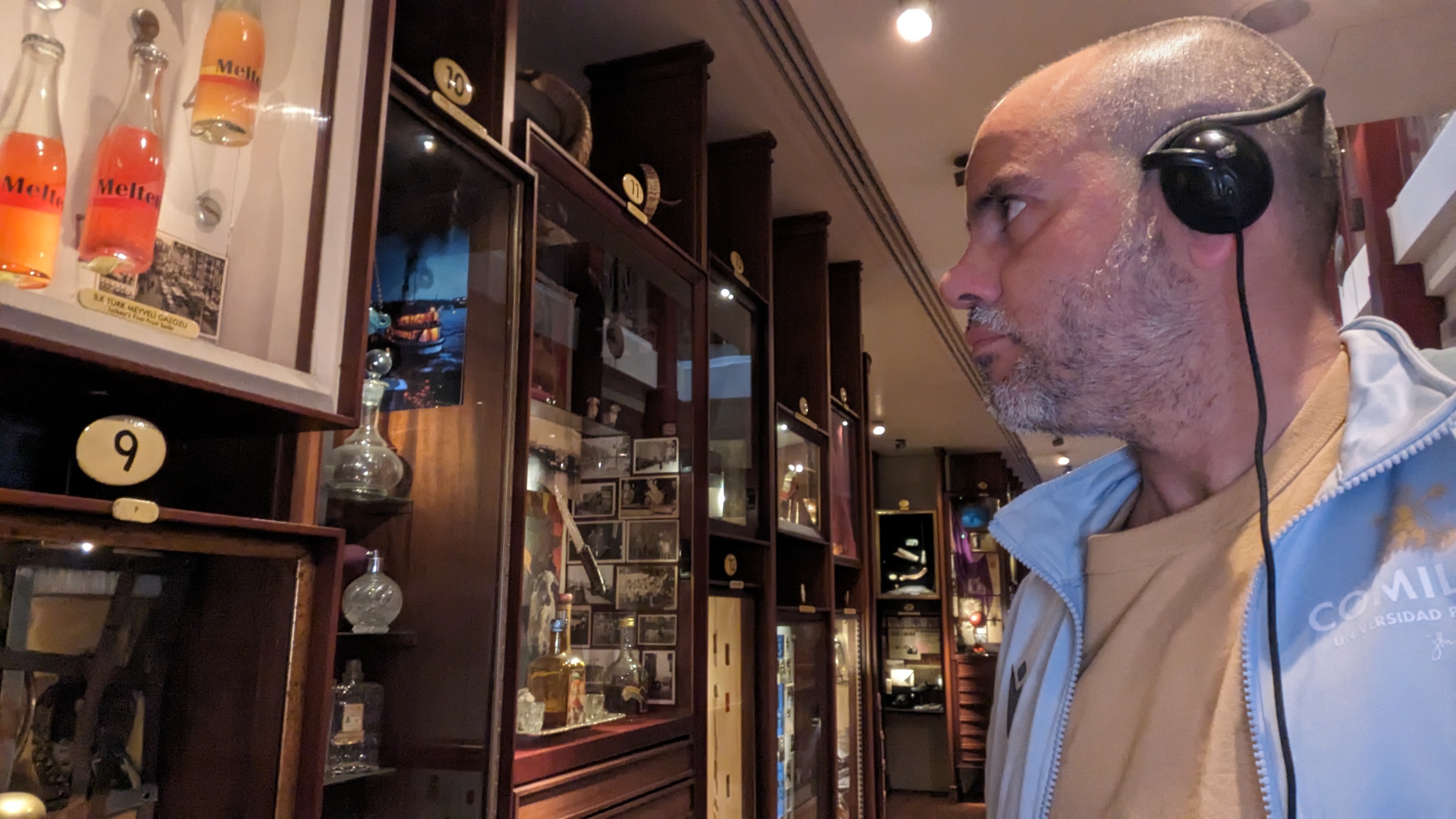
So, together with the Fall of Constantinople, Pamuk’s writings became a second important thread to my days in the city. Some examples follow.
The schizophrenic mix of modern, hip neighborhoods and lifestyles with traditional ones. A morning spent around Fatih mosque, where most women were covered, only to return to liberal, hip Cihangir and, to top it off, busy, commercial Istiklal with its unrelenting hordes of shoppers and people watchers.
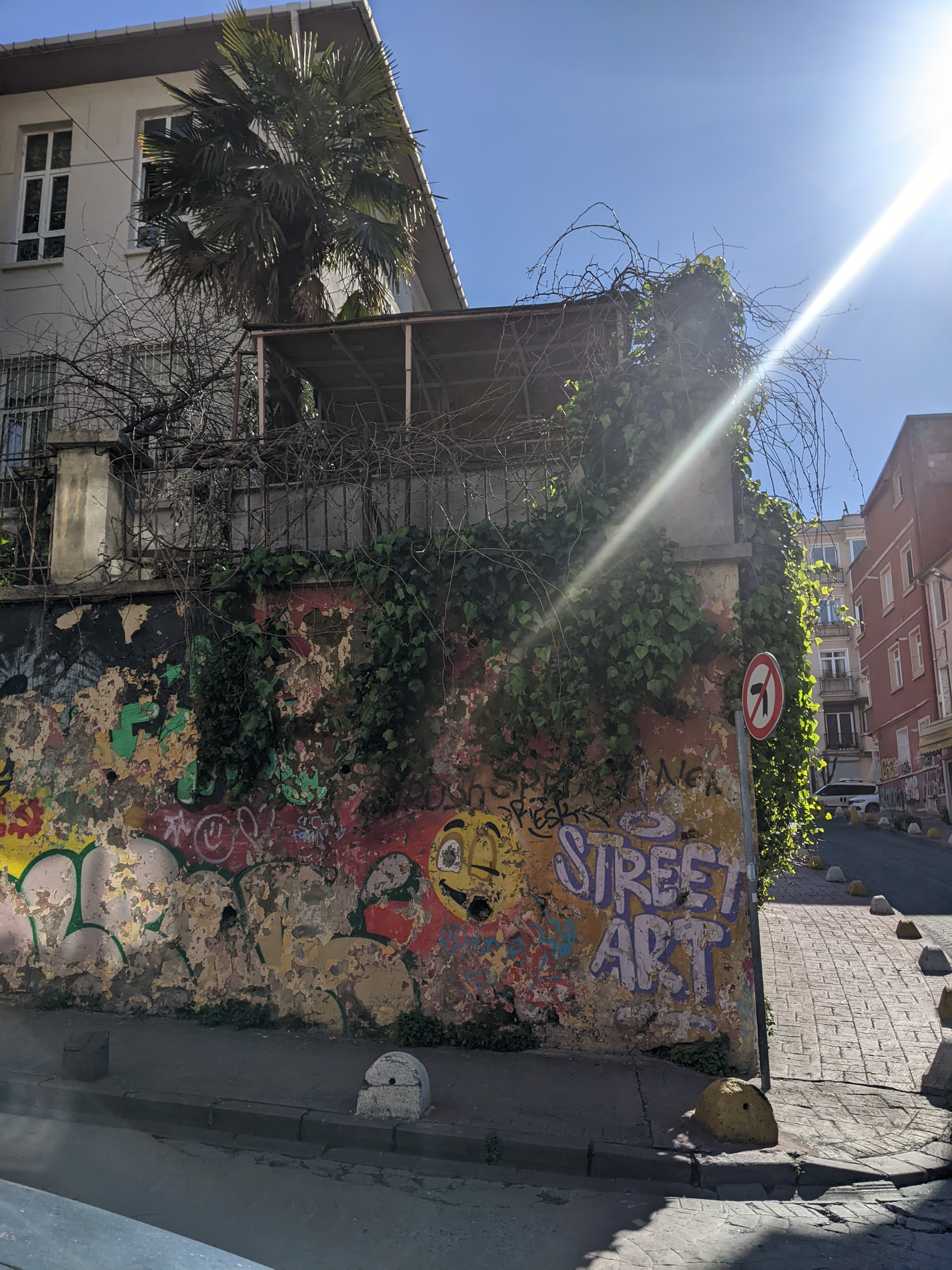
At some point in the book, Pamuk mentions that it wouldn’t have made sense to have Kemal, resident of rich, Westernized Nisastasi, fall in love with a girl from Fatih. You bet.
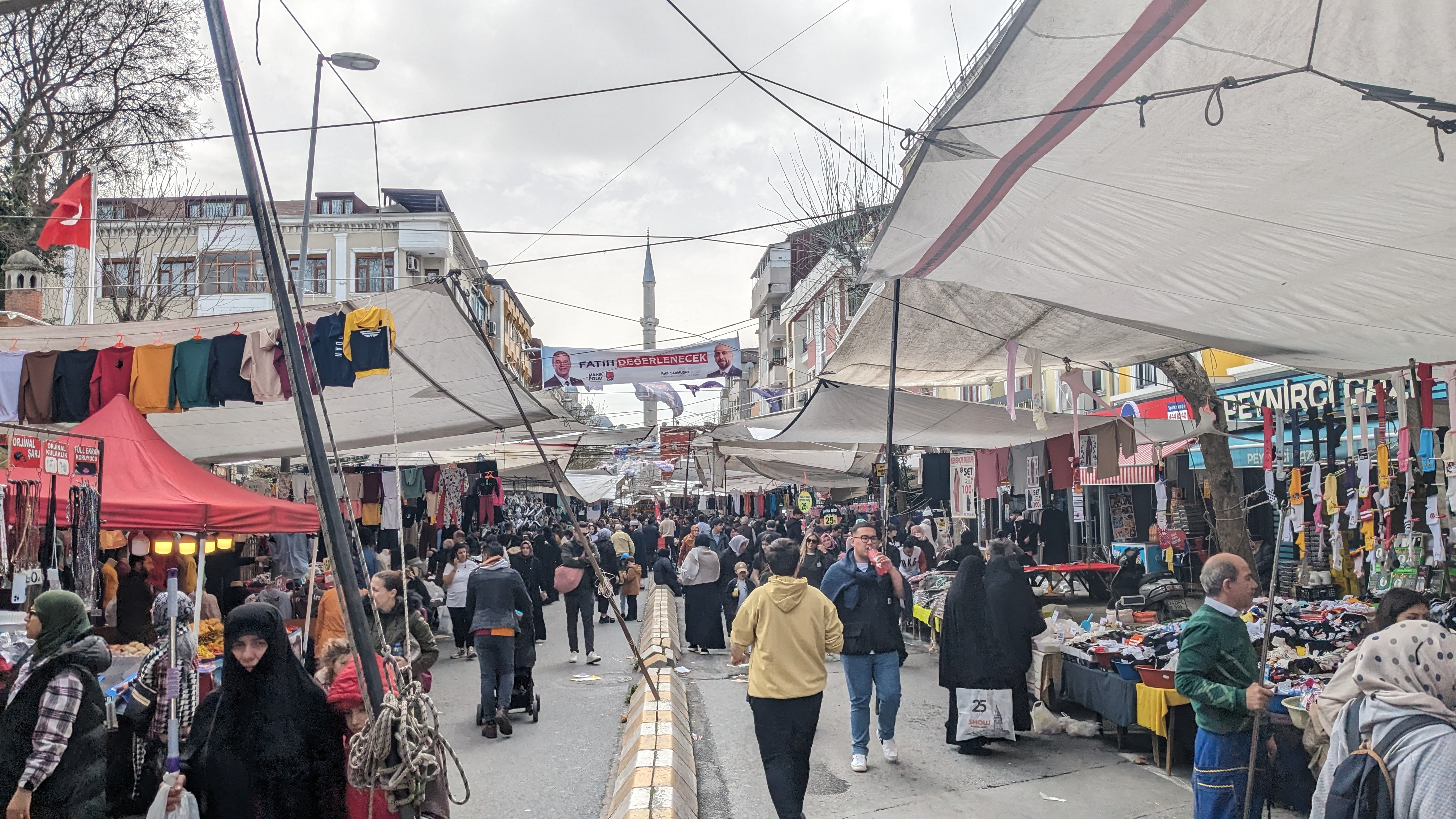
The dogs, beloved by Istanbulus. Pamuk mentions that the quiet, lazy street dogs during the day become packs at night, and that night walkers like himself have to continuously negotiate their way around them. Well, we sure saw the day version: those big dogs apparently full of bonhomie, and it was fun to see a pack or two roam the streets on our way to the airport, in the wee hours.
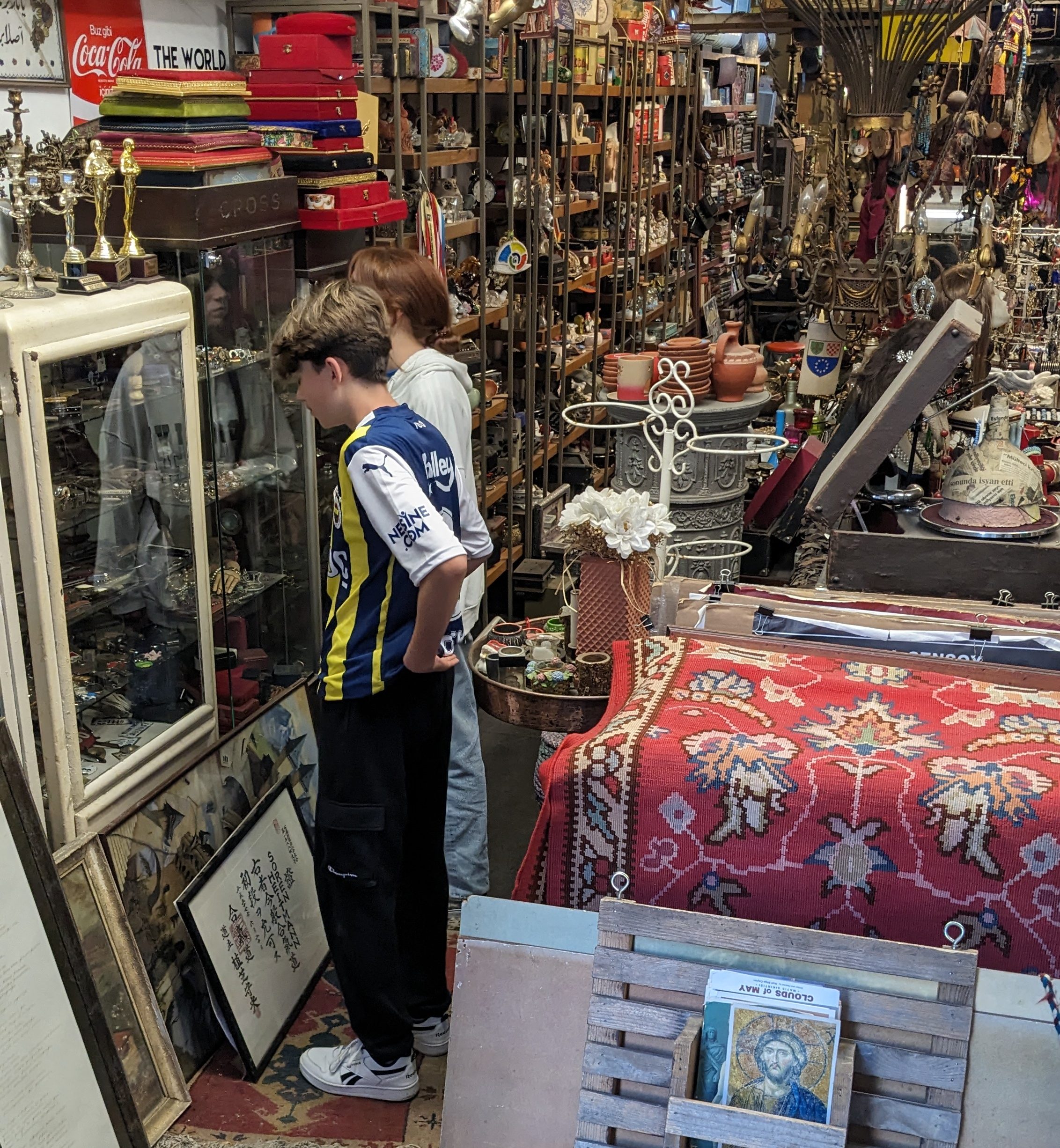
Antique shops in Cukurcuma. Not the gentrified ones, but the junk shops, where, according to the author, most of the objects for the museum come from.
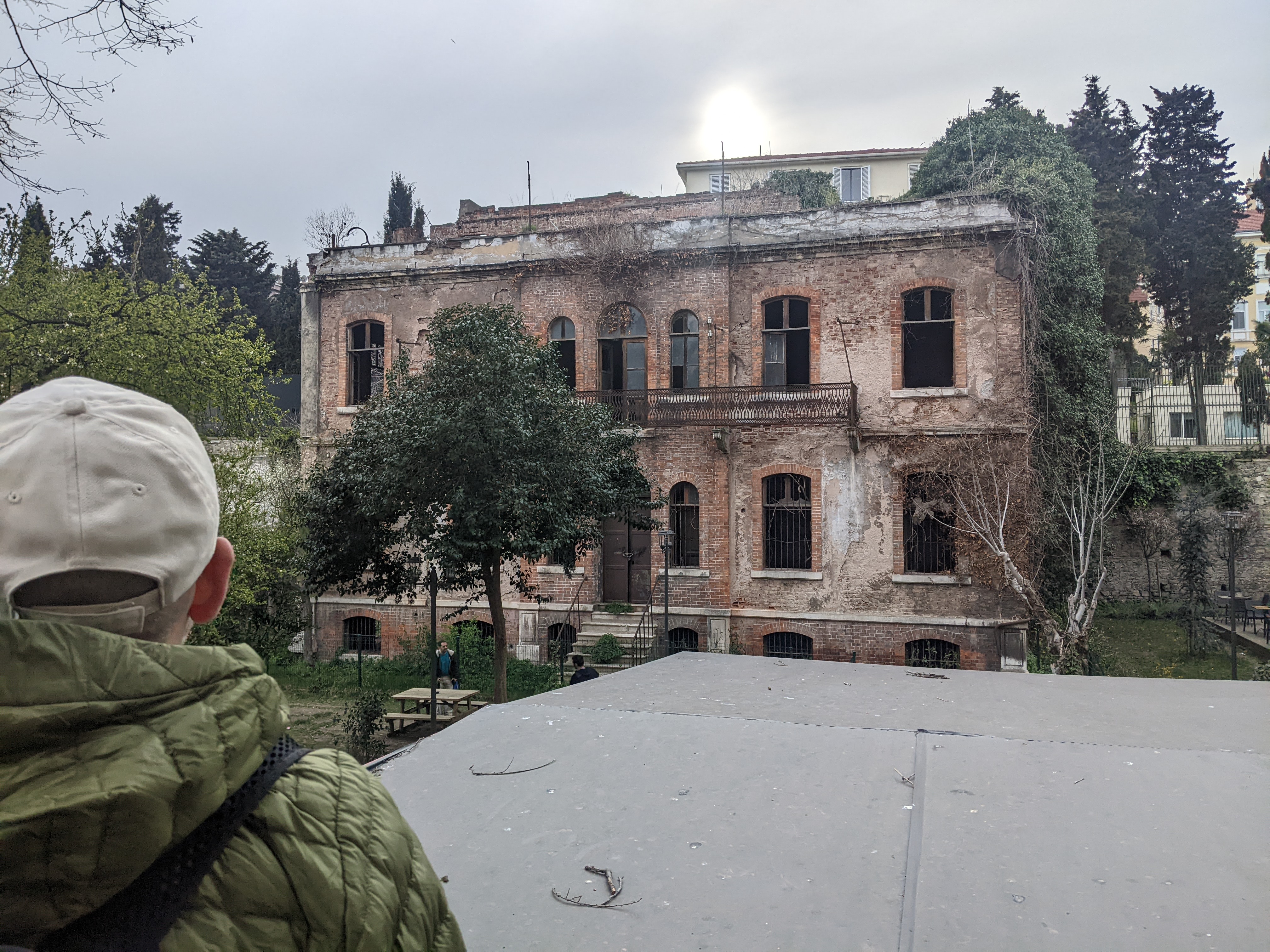
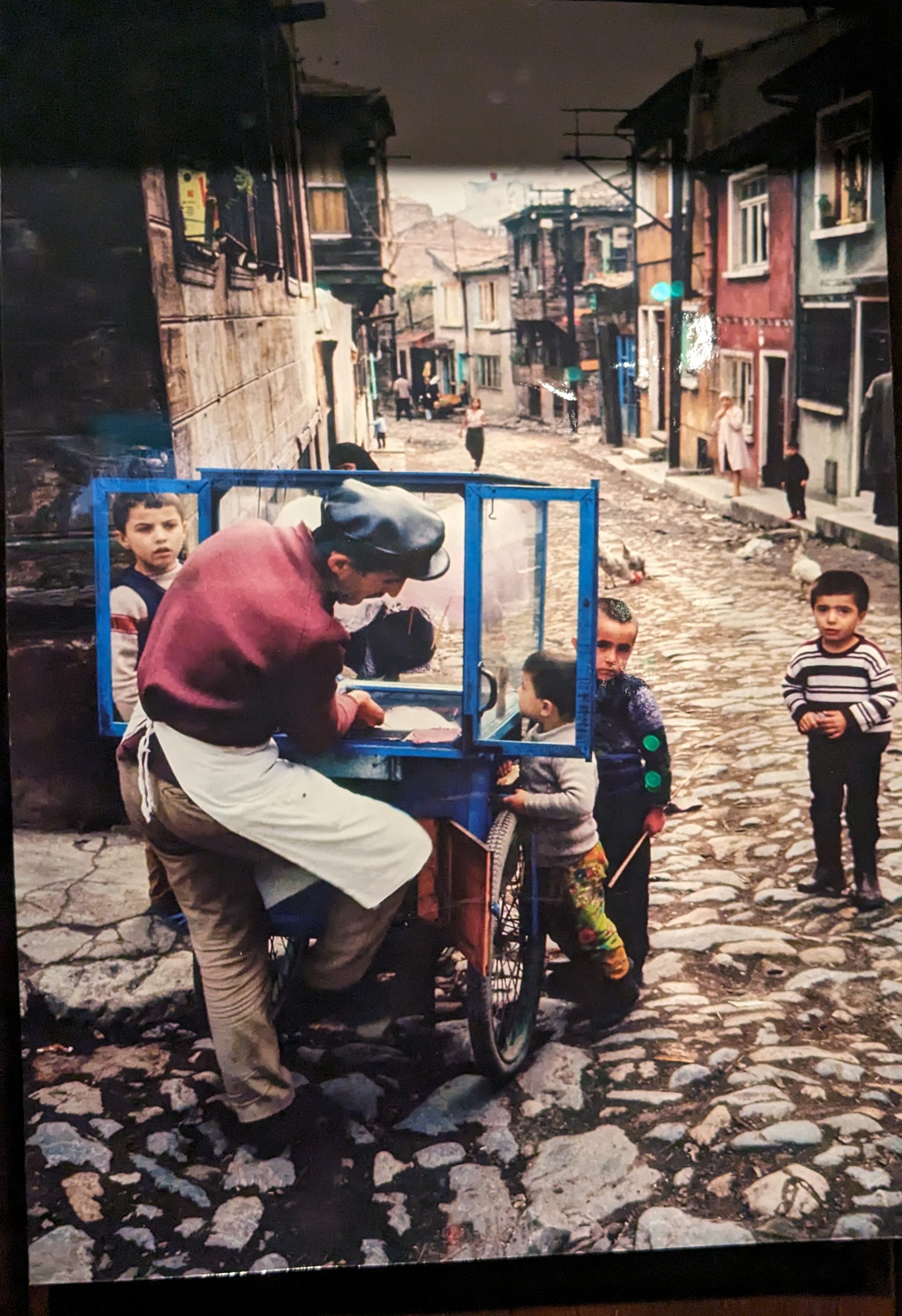
References to the wooden houses that used to fill the city, and which were destroyed by the modernizing craze of the new Republic. Saw a few of those in our walk from Fatih to Balat.
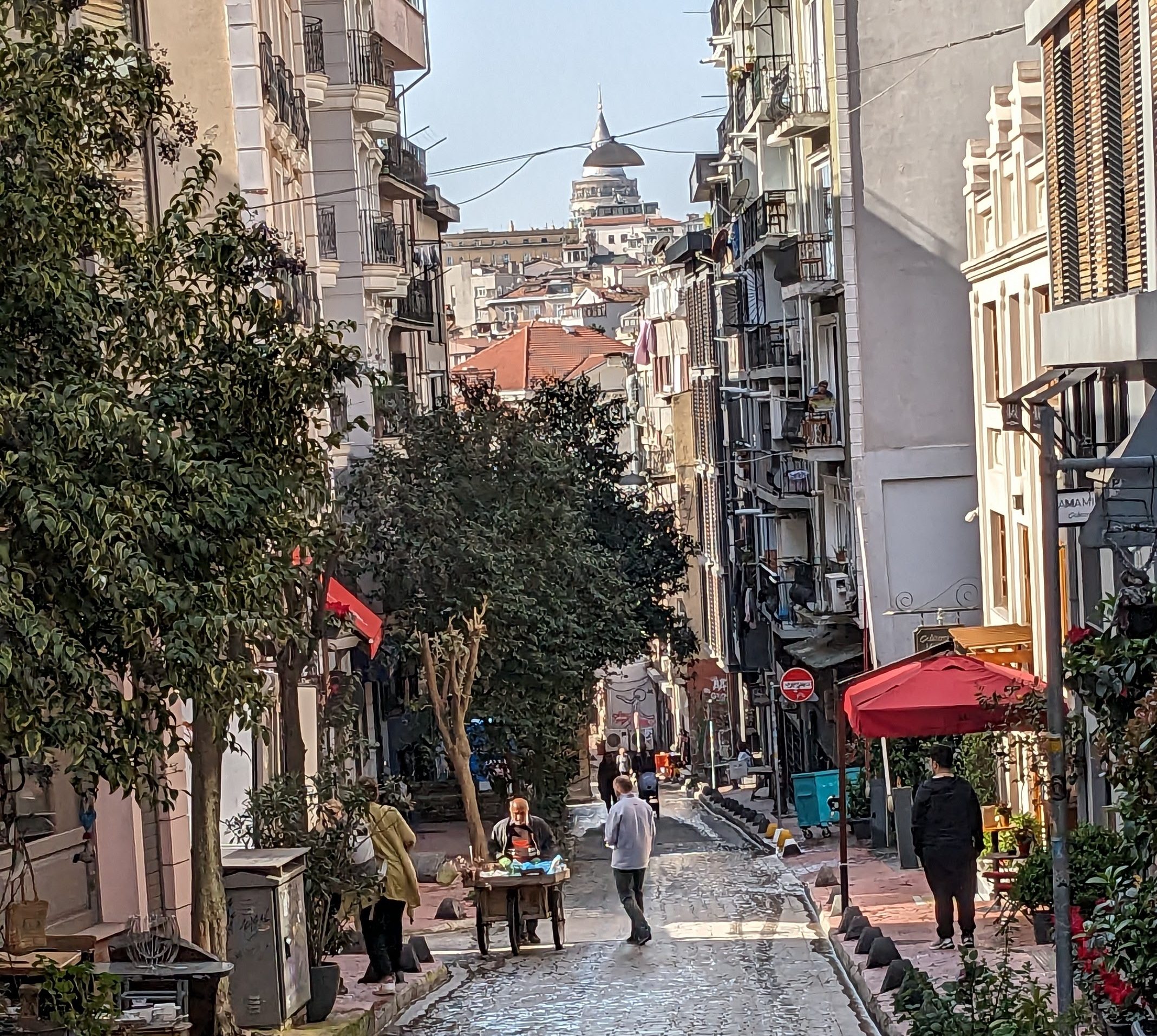
In my previous post on Istanbul, I deliberately left out any thoughts about the two neighborhoods where we spent the most time, that is, Cihangir and Cukurcuma. I guess it makes sense: not as exotic, nothing too obvious to write home about. But these European neighborhoods were to be the backdrop of our stay: daily strolls to buy breakfast pastries, evening climbs to Istiklal street, endless combination of routes to and from the tram stop in Tophane. Strangely, I still remember its narrow sidewalks, steep alleyways and occasional views on the Galata tower as much as our boat rides to Kadikoy or the Golden Horn. And now, as I’m reading the wonderful Museum of Innocence, I cannot but feel like another trip to Istanbul is in order.
 B-Side Travels
1 Comment