
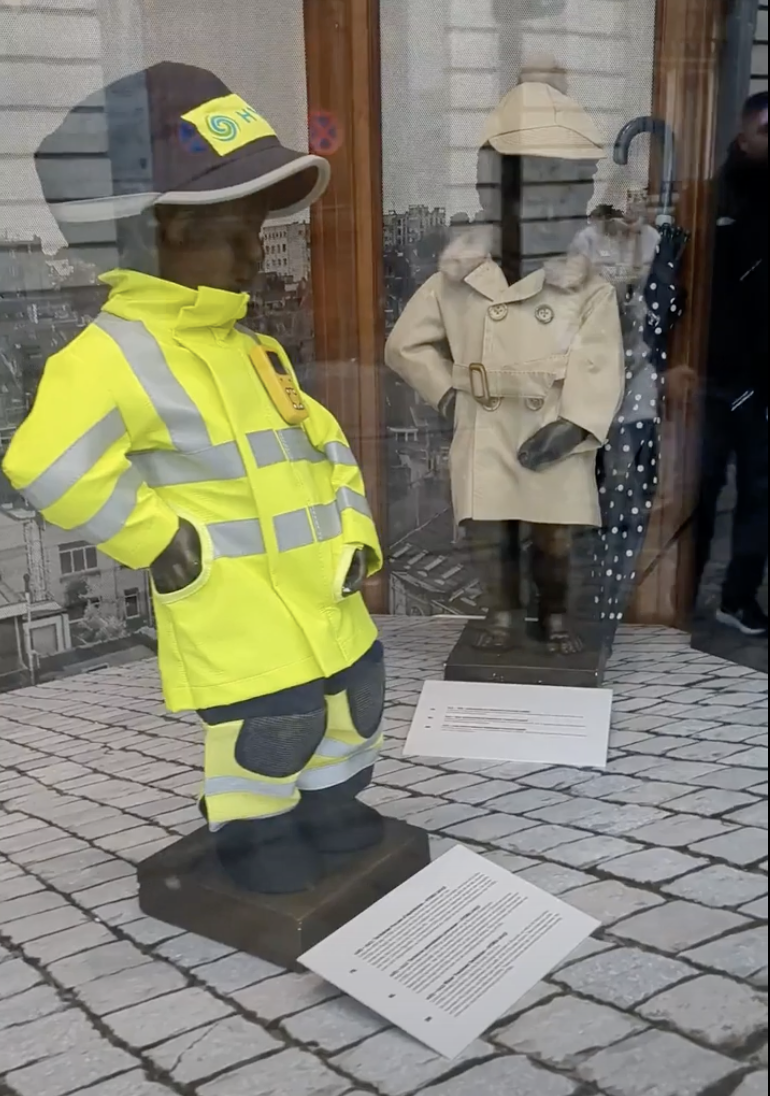
I recently saw an Instagram post calling Manneken Pis one of Europe’s biggest tourist traps. Are you kidding me? Out of all the overrated monuments out there, they chose him? The 61-centimeter bronze statue of a kid pissing into a fountain? The cheeky, irreverent icon that perfectly sums up Brussels? Honestly, I was outraged.
Here’s the thing about Manneken Pis: he’s not trying to impress you. He’s not a grandiose cathedral or palace. He’s a little boy mid-stream, and somehow, he carries more history and personality than most monuments twice his size. Sure, he’s everywhere in souvenir shops, but spend a little time in Brussels, and you’ll see he’s much more than a gimmick.
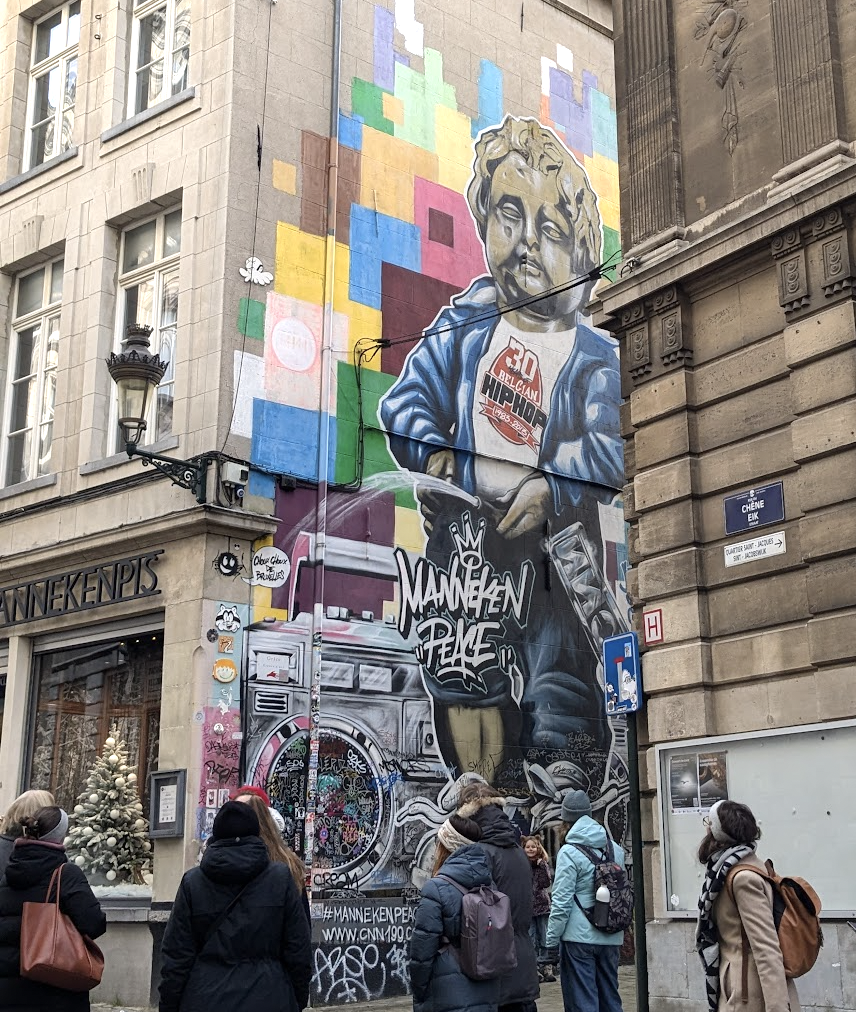
It’s funny to think my only previous stay in Brussels had been in the suburbs, crashing on a couchsurfer’s futon after a trip to the Netherlands. I’d heard there wasn’t much to the city, so I didn’t bother with the center. This time, though, my kids and I enjoyed a three day stay in Ixelles, just a short tram ride from the upper city or the European neighborhood.
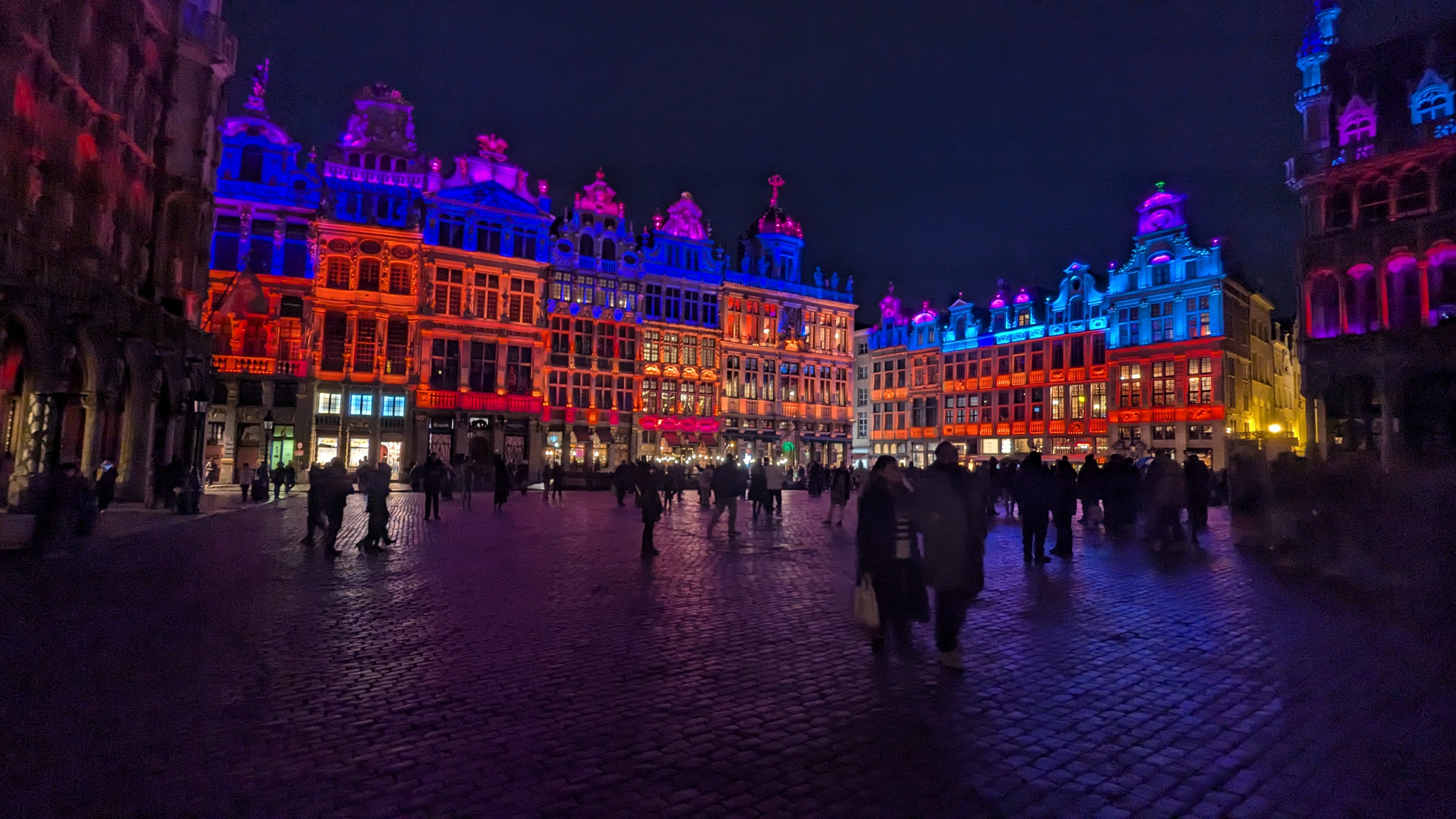
I’d already been to Brugge, Gent, and Antwerp. Brugge was like a postcard (meh), Gent had its medieval beauty, and Antwerp was all style – or perhaps I was tipsy after my first triple in town. But Brussels? Brussels felt honest. Less museum, more life. The kind of place where a tiny statue of a peeing boy is one of its proudest symbols, and somehow, it works.
Manneken Pis fits perfectly here. I first stumbled upon him on a grey and freezing afternoon, the kind Brussels specializes in. He was surrounded by tourists—half laughing, half unimpressed. I already knew he was small. But he’s not about grandeur; he’s about attitude.
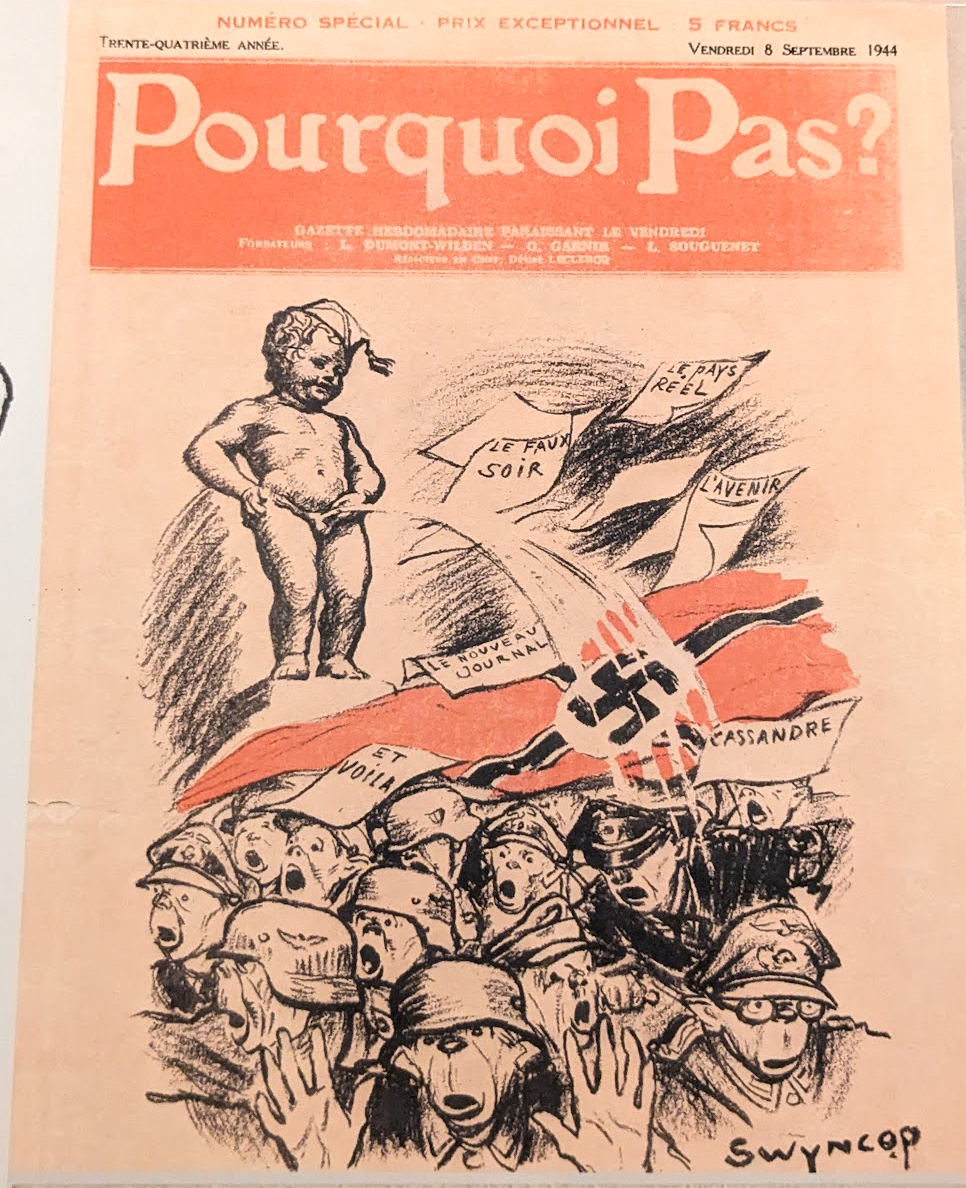
And then there are the stories, which our free tour guide let us in on. The time French soldiers stole him in 1747, and Brussels protested so loudly the French had to return him. The 1965 disappearance, when he was missing for two years before being found roughed up in Antwerp. Or the infamous canal rescue, when divers had to fish him out of the water. The guy’s got more drama than most monuments.
The people in Brussels reflect that same no-nonsense vibe. I’d heard they could be brusque, but I found them incredibly friendly. They wouldn’t even let me practice my French—every time I tried, they’d either switch to English or break into Spanish. It felt so disarmingly genuine, I couldn’t help but smile.
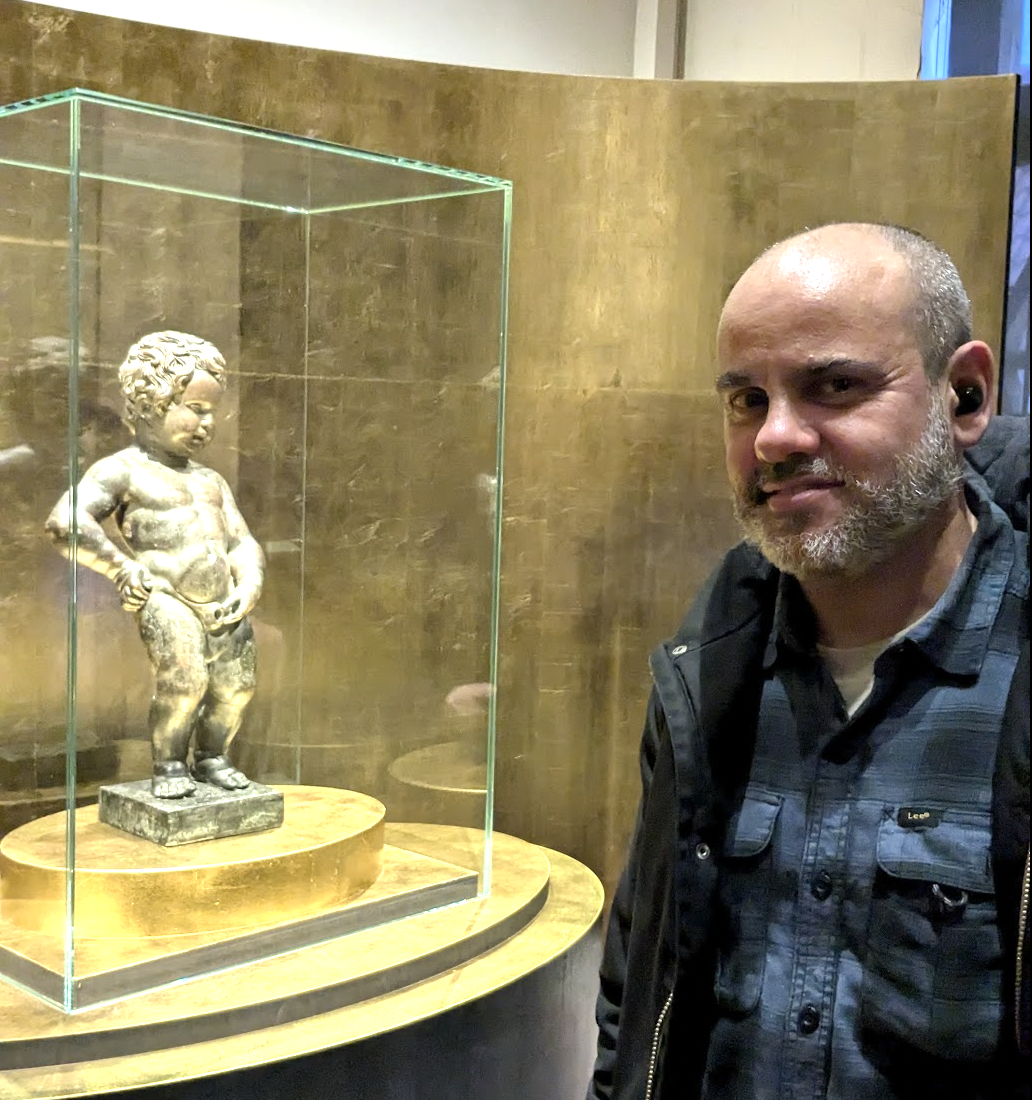
I even made a point to visit the original Manneken Pis, tucked safely in the City Museum. No crowds, no costumes—just the real statue, a little battered but full of history. Seeing him there, I got why the city loves him so much. He’s one of them.
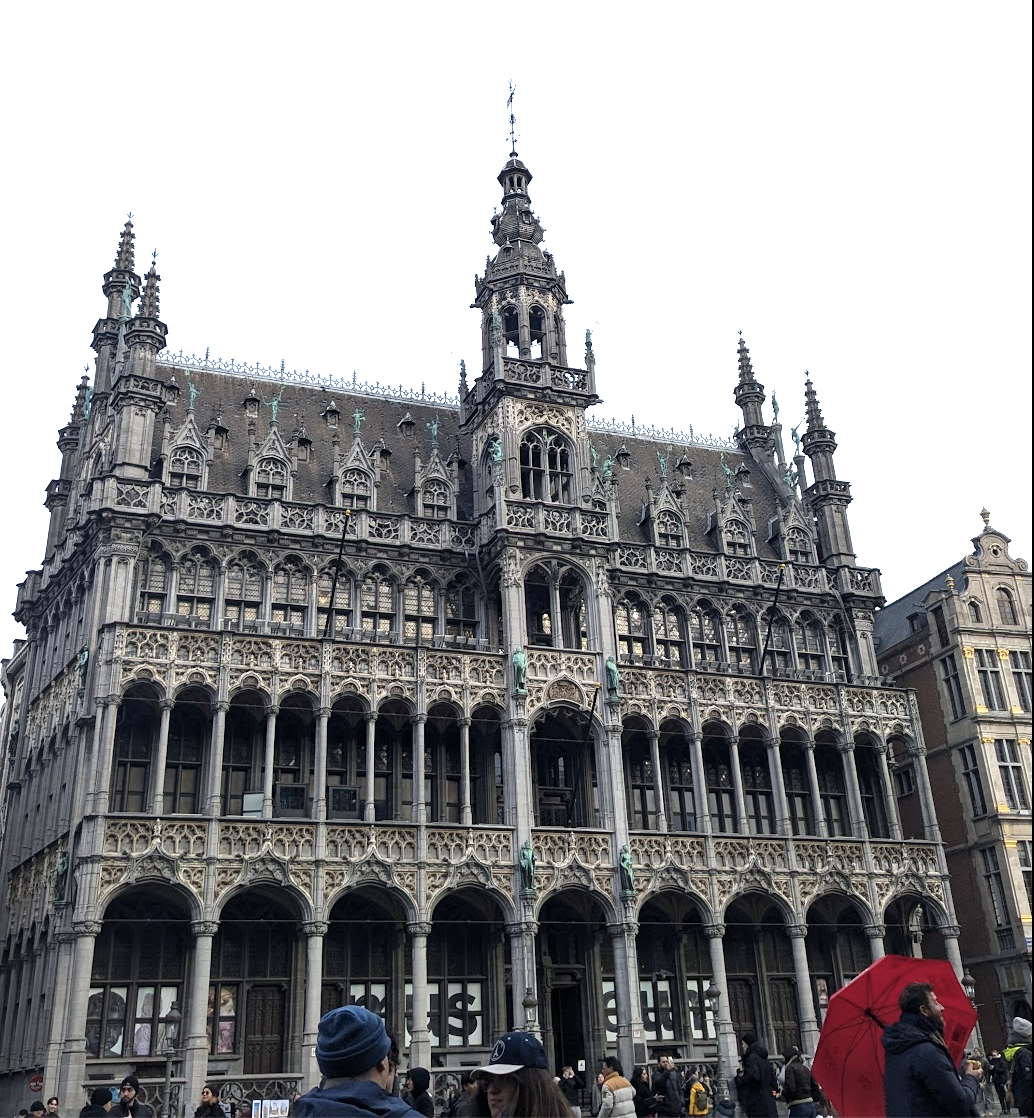
I love Brussels for the same reason. It’s not trying to be cute. (In fact I mistrust cities that try too hard). It’s rough, quirky, and unapologetically itself. The way I prefer Glasgow to Edinburgh or Berlin to anywhere else. Manneken Pis belongs here, in a city that values humor, defiance, and not taking itself too seriously.
So no, he’s not a tourist trap. He’s Brussels distilled: scrappy, irreverent, and the kind of thing that grows on you. Laugh, roll your eyes, take the selfie—just don’t call him a trap. He’s earned his place in history, canal rescues and all.
 B-Side Travels